
Who Needs a Will?
A Guide for Families, Couples and Parents.
Most people assume Wills are only for the wealthy or elderly. The truth? If you have people you care about or responsibilities you want handled clearly, you need a Will. We’ll cover what you need to know about making a Will for parents, unmarried, blended or same sex couples.
Your personal wishes for who inherits your estate and for your dependent’s care are irrelevant without a Will.
Without a Will, 1925 intestacy laws decide your family's future - not you.

The Reality
72% of UK adults don't have a Will.
Not because it doesn't matter, but because they assume:
"I'm too young"
"I don't have enough assets"
"My partner will inherit automatically"
"I'll do it later"
What Happens If You Die Without a Will?
If you die without a Will and you're unmarried, who inherits…?:
Your partner inherits nothing (they might as well be the milkman!)
Your estate goes to your children, parents, or siblings
Your partner could lose the family home
They have no legal right to make funeral decisions
They may need to go to court just to stay in the home you shared
Who inherits if there is no Will?
Intestacy rules define how and who your estate goes to if you die without a will. Dying without a valid Will in England and Wales means your estate is dealt with under the rules of intestacy. These are fixed rules that apply the same framework to everyone, regardless of your actual circumstances.
They do not account for unmarried partners, blended families, or personal wishes. In many cases, the people closest to you have no automatic legal right to anything.
A Will is the only way to replace those default rules with your own decisions.
All of these assumptions are wrong - and potentially devastating for the people you love.
You Need a Will If You're a Parent
Why Parents Need Wills
A Will is the only legal way to name guardians for your children if both parents die.
Without a Will:
Courts decide who raises your children
Family disputes can drag on for months
Your children could end up in temporary social care
Your children's inheritance goes directly to them at 18 (with no guidance or protection)
No one knows your wishes for their upbringing
Why You Need a Will as a Parent
✓ Names your chosen guardians (and backup guardians)
✓ Protects inheritance until children are mature enough
✓ Appoints trustees to manage money responsibly
✓ Prevents family conflict during an already traumatic time


Ready to protect your children?

You Need a Will If You're Unmarried
The Common Law Marriage Myth
There is no such thing as common law marriage in England and Wales.
It doesn't matter if you've lived together for:
5 years
10 years
20 years
Have children together
Own property together
Without a Will, your partner has NO automatic right to inherit anything.
What Happens Without a Will
If you die without a Will and you're unmarried:
Your partner inherits nothing (they might as well be the milkman!)
Your estate goes to your children, parents, or siblings
Your partner could lose the family home
They have no legal right to make funeral decisions
They may need to go to court just to stay in the home you shared
Why You Need a Will as an Unmarried Couple
✓ Legally protects your partner
✓ Ensures they inherit what you intend
✓ Prevents your family from overriding your wishes
✓ Gives them the right to make decisions
✓ Protects the home you've built together

Ready to protect your children?
You Need a Will If You Identify as LGBTQI+ or Are In a Same Sex Couple
Unique Vulnerabilities
LGBTQI+ individuals and same sex couples face specific risks:
Unmarried same-sex couples have no automatic inheritance rights (just like opposite-sex unmarried couples)
Estranged families may inherit everything if you don't have a Will
Chosen family is ignored by intestacy rules (only blood relatives and spouses inherit)
Trans individuals need to ensure their documents reflect their gender identity in a chosen and legal way
Trans beneficiaries need to be clearly identifiable if names/gender have changed
Step-children in same-sex families may not be recognised unless legally adopted
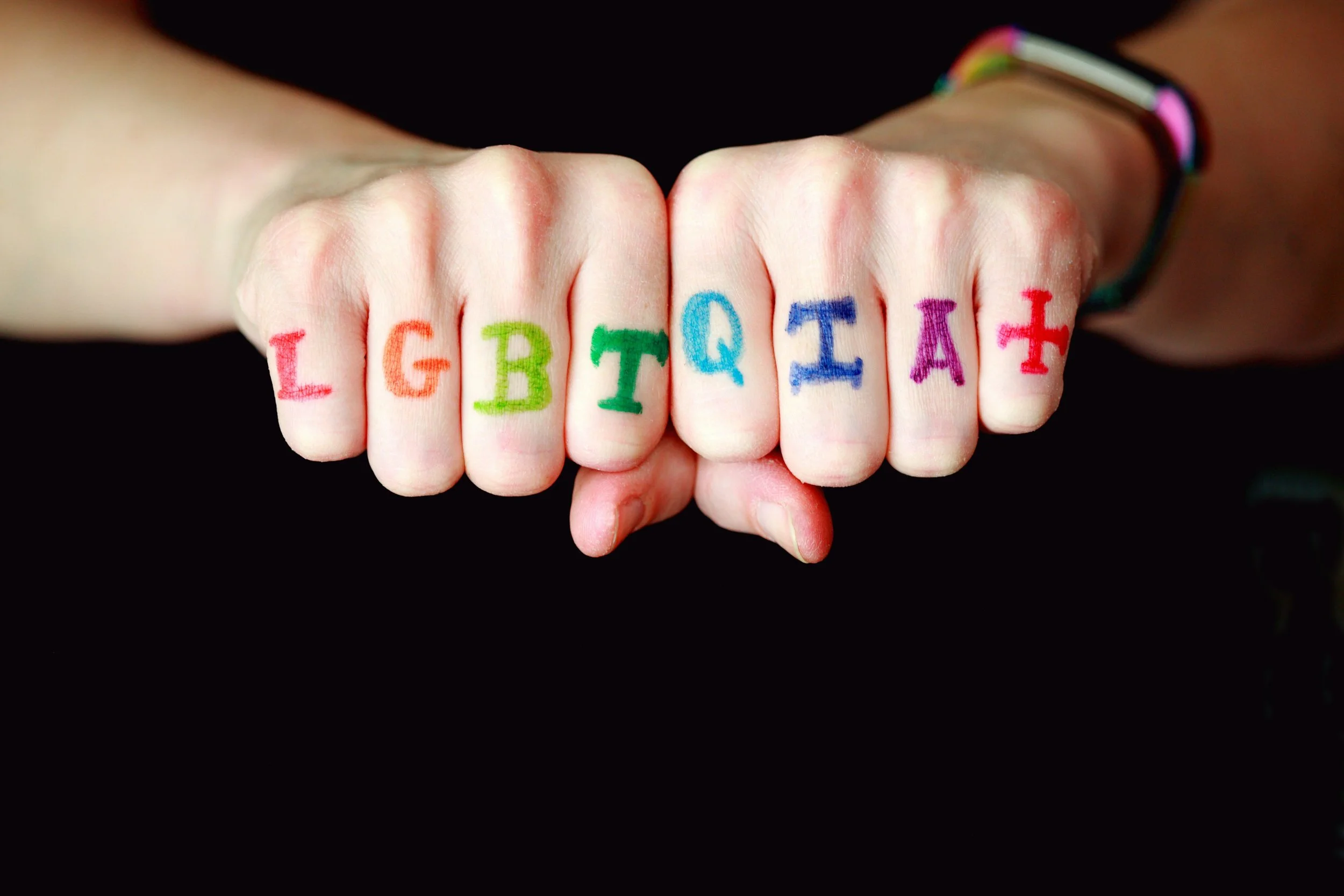
Why you need a Will as LGBTQ+ Individuals
✓ Protects your partner legally (married or unmarried)
✓ Includes chosen family and step-children
✓ Prevents unsupportive biological family from inheriting
✓ Ensures your identity and wishes are respected
✓ Provides clarity if names or legal gender have changed

Ready to chat?
You Need a Will If You Have a Blended Family
Complex Family Structures
Blended families face unique challenges:
Step-children don't inherit under intestacy (only biological or legally adopted children)
Ex-spouses may still have claims if not properly addressed
Children from previous relationships need explicit provision
New partners may not be protected if you're unmarried
What a Will Does for Blended Families
✓ Provides for step-children (who intestacy ignores)
✓ Balances needs of current partner and children from previous relationships
✓ Prevents disputes between "old" and "new" families
✓ Ensures everyone you care about is protected
✓ Gives clear instructions that reduce conflict


You Need a Will If You Own Property
Why Property Owners Need Wills
If you own property (alone or jointly):
Your share is worth protecting
Joint ownership doesn't always mean automatic inheritance
Tenants in common = your share goes via your Will (or intestacy if you don't have one)
Joint tenants = your share passes automatically, BUT this might not be what you want long-term
What a Will Does for Property Owners
✓ Controls who inherits your property share
✓ Protects unmarried partners from losing the home
✓ Prevents forced sale if co-owners want different things
✓ Provides for children while protecting a surviving partner
✓ Plans for inheritance tax efficiently

Protect your property for future generations
Inheritance: What Counts as Your Estate?
The "I Don't Have Enough" Myth
Most people underestimate their estate value:
Average UK estate: ~£200,000 (mostly property)
What counts as your estate:
Property (even if mortgaged, though it’s the net value that’s considered)
Savings and investments
Pensions (entering IHT from April 2027)
Cars, jewellery, possessions
Vehicles
Business assets
Intestacy threshold: If your estate is less than £325,000 and you are married or in a civil partnership, your children will inherit nothing without a will.
It's Not About Wealth - It's About Control
Even modest estates benefit from clear instructions:
Who gets sentimental items?
Who manages money for young children?
Who makes funeral decisions?
Who's excluded (estranged relatives)?
Without a Will, the law decides - not you.

Life Events That Trigger Will Changes or Amends
You should write (or update) your Will when:
✓ Having children - Name guardians immediately
✓ Getting married - Marriage revokes previous Wills
✓ Buying property - Protect your biggest asset
✓ Starting a relationship - Especially if unmarried
✓ Divorce or separation - Update immediately
✓ Receiving inheritance - Protect what you've received
✓ Starting a business - Plan for succession
✓ Aging parents - Provide for their care or inheritance
✓ Diagnosis of serious illness - Ensure wishes are clear
When Should You Write, Update or Change your Will?

The Best Time to Write a Will? Now.
You don't need a "reason" to write a Will. The best time is while you're healthy and thinking clearly.
Waiting until you "need" one is often too late.
Ready to Protect Your Family?
Writing a Will isn't about predicting the future. It's about making calm decisions now, while you can, so the people you love are protected later.
No obligation. No pressure. Just clear guidance about your options.
“I had a great experience with AWAY Wills, the process was super easy and efficient, Nellie was fantastic, really helpful and professional throughout. Highly recommend!”
— Morgan, AWAY Wills customer