
Drafting a Will as a Same Sex Couple or LGBTQI+ person
Why you need a Will as an alternative family
For some same sex couples, LGBTQI+ people and those in complex relationships like blended families or chosen family, many may not fall within the standard legal structure.
If you do not have a Will, the law decides who inherits your estate. These rules, known as intestacy laws, apply to everyone and follow a fixed order based on marriage, civil partnership and blood relatives.
Unmarried partners, close friends and those you consider family are not automatically protected or included in inheritance. A Will ensures your wishes, not a default legal formula, determines what happens next.
We’ll cover what happens if you are in a long term partnership as a same sex couple, identify as LGBTQI+ or non-binary, or have trans or non-binary beneficiaries to consider.
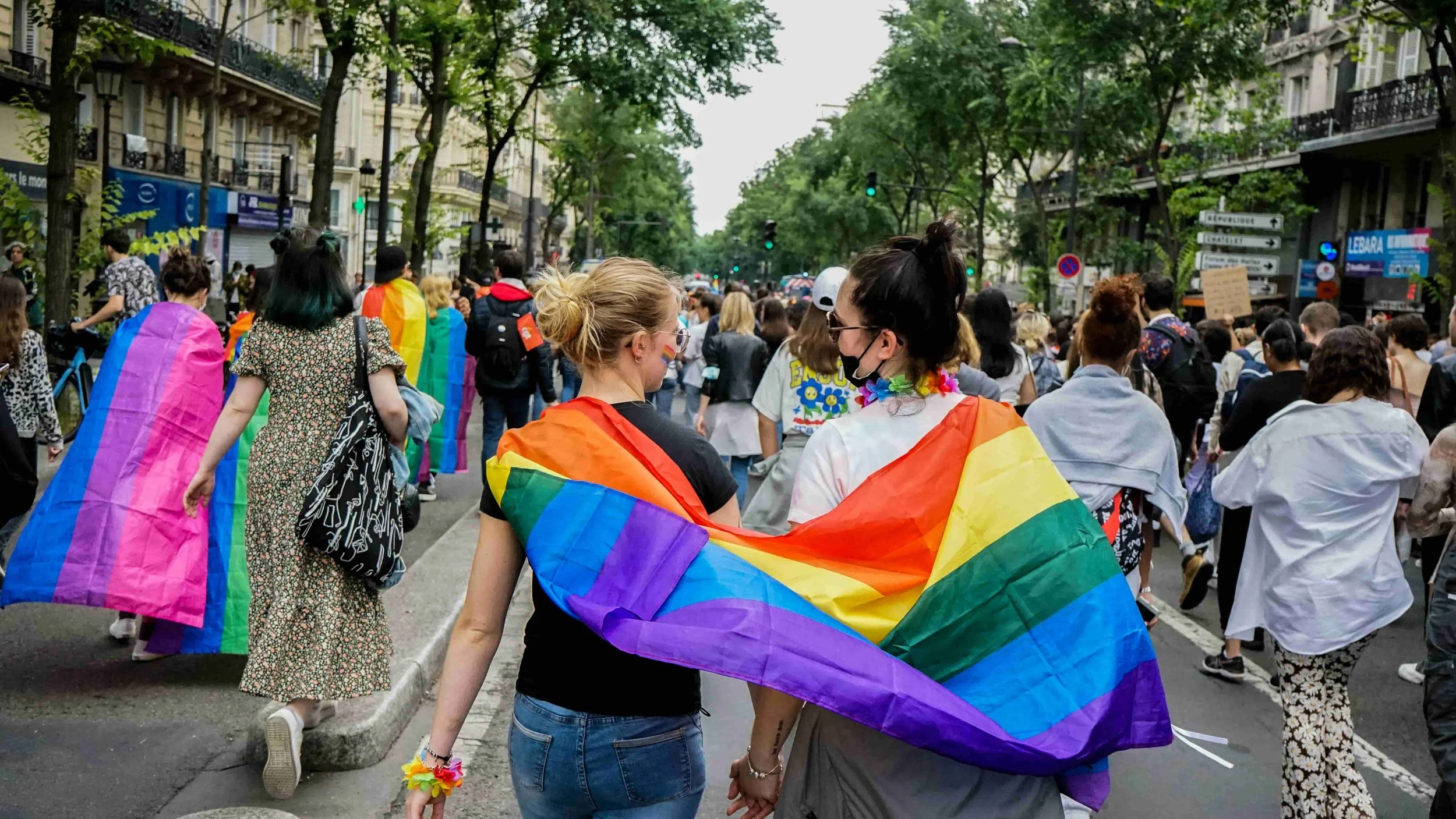
The Uncomfortable Truth About Dying Without a Will If You're Not Married or in a Civil Partnership
If you die without a Will, the law decides who inherits. These rules, known as intestacy laws, apply to everyone, and follow a fixed order based on marriage, civil partnership and blood relatives..
For many LGBTQI+ individuals and same sex couples, relationships may not sit neatly within traditional legal categories. Long-term partners, chosen family and those you consider closest to you are not automatically recognised unless you are married or in a civil partnership.
Instead, your estate passes to relatives in a fixed legal order:
Children (including adult children)
Parents
Siblings
Grandparents
Aunts and uncles
The Crown, if no surviving relatives can be found
An unmarried partner of any gender is not included in the fixed legal order of inheritance detailed in intestacy laws.
In short, if you are not married or in a civil partnership, the law does not default to your partner. A Will is the only way to ensure your partner is provided for according to your wishes.
Read more about Intestacy Laws and how assets are distributed in our Guide: Dying WIthout a Will.

If you are Married or in a Civil Partnership, do you need a Will?
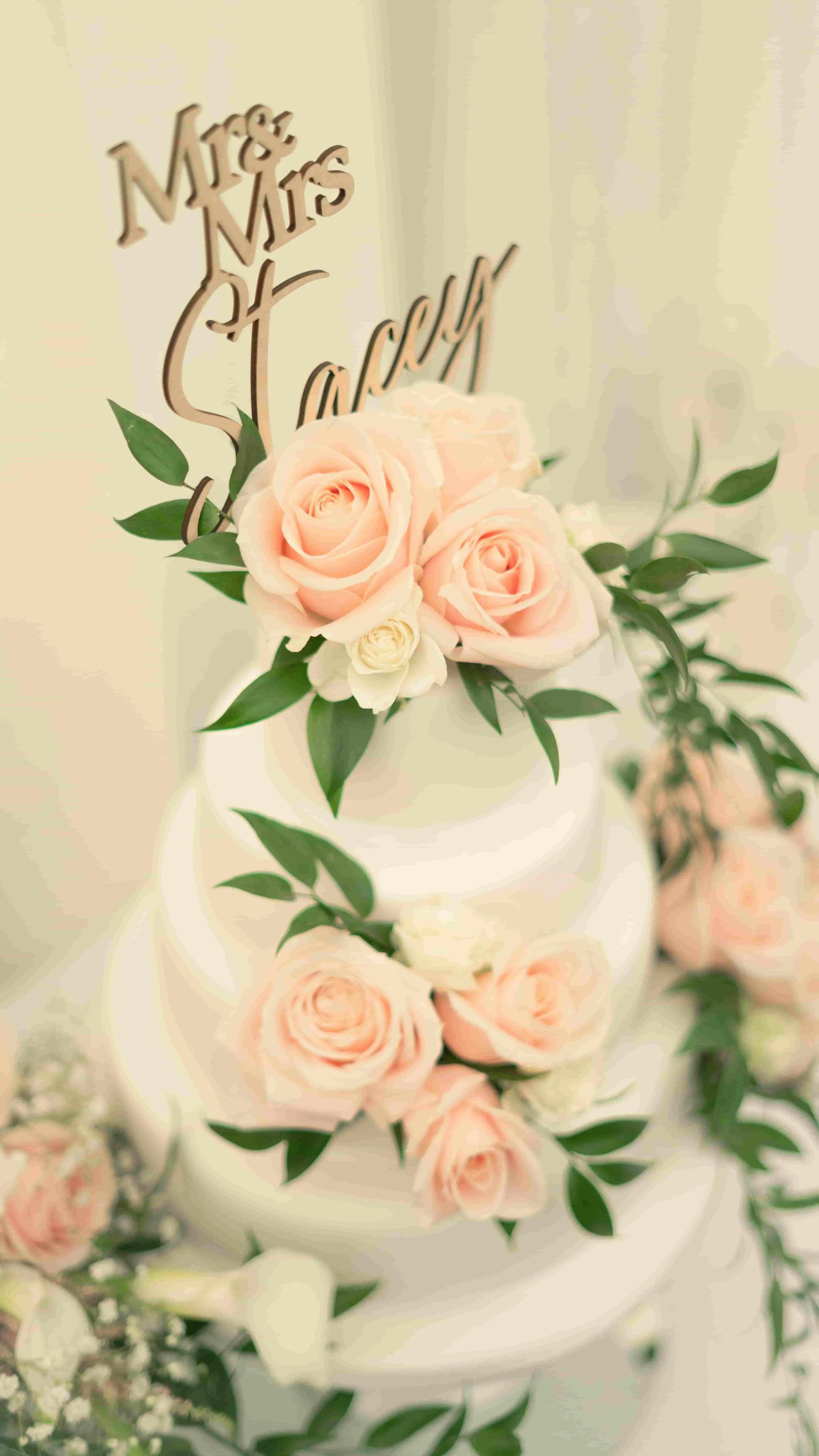
Marriage and civil partnership provide significantly more protection under intestacy rules and there are important tax advantages available to married couples.
However there are still nuances to consider.
If you’re married with children and your estate falls below the statutory threshold, your children will inherit nothing.
Getting married automatically revokes any Will made beforehand, unless that Will was drafted in contemplation of that specific marriage or civil partnership. For same sex couples and LGBTQI+ couples who have married or entered into civil partnership later in life, or after a long period of cohabitation, this can be particularly relevant.
Chosen family aren’t automatically entitled to anything.
Simultaneous deaths (ie. in an accident) means the youngest person’s Will is activated, so this can impact planning significantly.
Even where marriage offers protection, a Will ensures clarity, tax efficiency and control over how your estate is structured.

Do I need a Will as a Trans person or if I identify as Non-Binary?
Your Will should reflect who you are. It also needs to comply with legal formalities.
Will drafting if you have a Gender Recognition Certificate (GRC)
We ensure your Will aligns with your legal status while using language that reflects your identity. You are legally recognised in your acquired gender for most legal purposes. Your Will can and should reflect that.
You should be treated according to your acquired gender in class gifts - where similarly gendered family members are grouped into one class - such as “my sons” or “my daughters.”
Will drafting if you do not have a GRC
Legally, your gender remains your birth gender. However, your Will can still use your chosen name and appropriate pronouns, provided your legal identity is clearly established. The key requirement is certainty of identification, not conformity of language.
We draft Wills in a way that avoids ambiguity while respecting how you live and identify.
Will drafting for Non-Binary Identities
UK law does not currently recognise non-binary as a separate legal gender. That does not prevent your Will from being drafted respectfully and clearly.
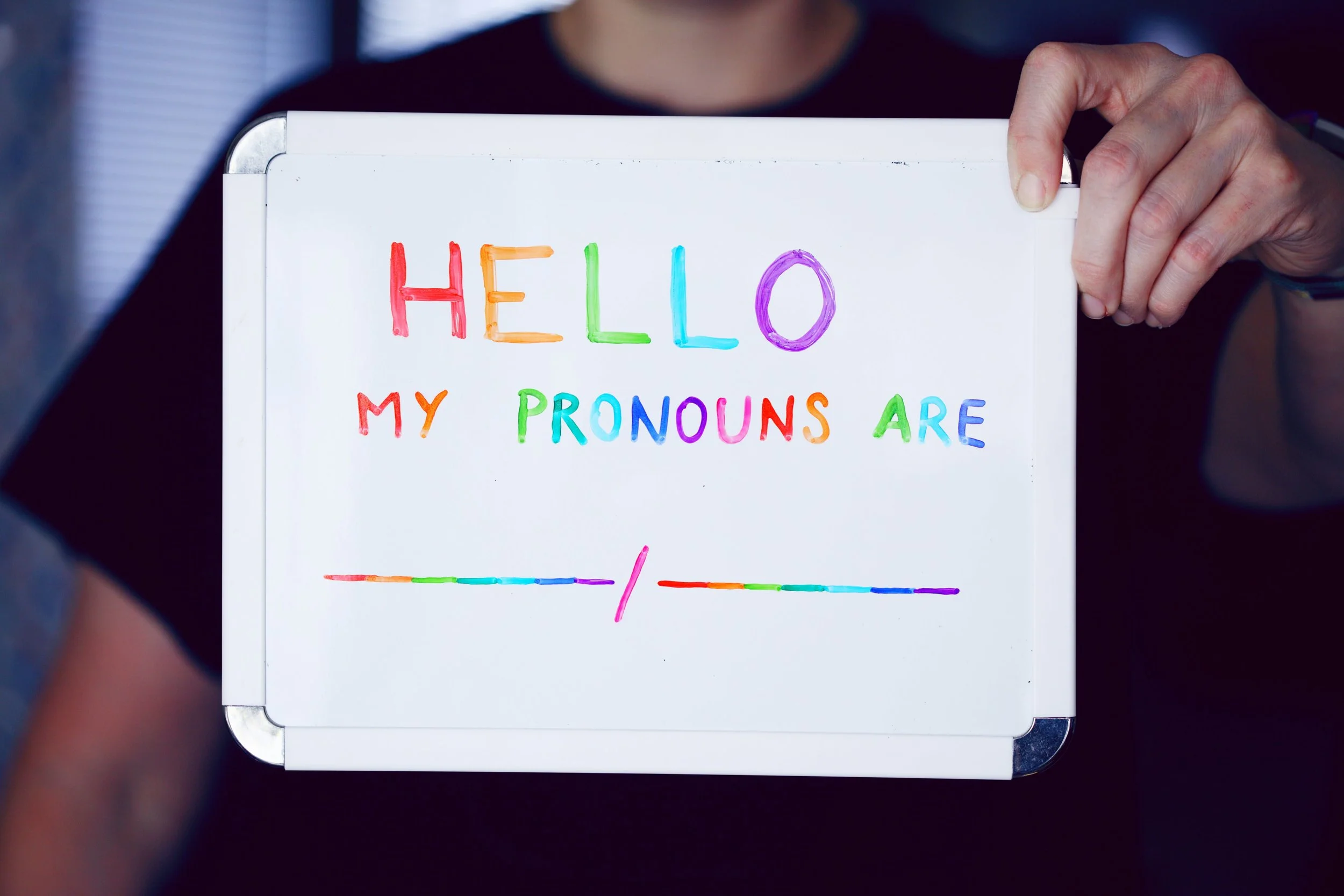
We can:
Use your legal/dead name once while reflecting your chosen name thereafter
Use gender-neutral language throughout
Avoid unnecessary gendered terminology
Use the title Mx if preferred
The priority is clarity, legal validity and respect.
Drafting Clarity in Wills for Trans Beneficiaries
When a Will refers to a group such as “my sons” or “my daughters,” the law interprets that wording according to legal status.
If a beneficiary has a Gender Recognition Certificate, they are legally recognised in their acquired gender for most legal purposes. This means they would ordinarily fall within a class gift consistent with that legal gender.
However, ambiguity can arise if language is unclear, genders have been legally changed or if there are multiple children and inconsistent references are used.
The safest approach is simple: name beneficiaries explicitly wherever possible.
Relying solely on class descriptions such as “my daughters” can create uncertainty, particularly in blended families or where gender identity and legal documentation differ.


FAQs:
-
Only if it affects how you want your Will drafted. If you have a Gender Recognition Certificate, we need to know for legal drafting reasons. If you want us to use specific pronouns or titles, tell us. Otherwise, it's your business. We just want to ensure your documents reflect your wishes AND are legally binding.
-
Not unless you show them. Your Will is confidential until you die. We are also bound by the code of conduct of the Society of Will Writers, which includes confidentiality.
-
Your Will can be drafted discreetly. We can use terms like "my friend" if you prefer, however keep in mind that the document itself is confidential until after you pass. We'll discuss the best approach for your situation.
-
Absolutely! Your Will is your choice. You can leave your estate to anyone you want.
-
They can try, but a professionally drafted Will with clear explanations is much harder to challenge successfully. We'll help you protect your wishes and will also explain who would have a claim to make after you pass.
-
Not at all, however it's often helpful to tell your executors so they know what to expect and where your Will is stored.
-
Your Will becomes invalid unless it was made "in contemplation of" that marriage or civil partnership. You'll need a new Will if this is the case.
-
Yes! You can make a new Will at any time. We recommend reviewing your Will every 3-5 years or after major life changes. But don’t worry, once you’re our client, we will remind you in 3 years to double check nothing major has changed.
The Bottom Line? A Will offers protection for non-traditional people and couples - legally.
Intestacy rules apply to everyone. But for many LGBTQI+ individuals and families, the default legal framework is less likely to reflect how your life is actually structured because.
Unmarried partners are not automatically protected.
Chosen family is not recognised by default.
Class-based or grouped gender wording can create uncertainty.
Technical legal rules can override intention.
A Will replaces default assumptions with clarity.
You decide who inherits.
You decide who raises your children.
You decide who manages your estate.
It is not about fear or pessimism. It is about ensuring the law reflects the life you have built.